Architecture with Artificial Intelligence and Machine Learning: The Future of Design
In recent years, advanced technologies such as artificial intelligence (AI) and machine learning (ML) have profoundly transformed architectural design processes. In this article, we will explore how AI and ML are revolutionizing architecture, how they are used in design workflows, and the role these technologies are expected to play in the future.
Architecture with Artificial Intelligence and Machine Learning: The Future of Design
Architecture is undergoing a major transformation with the integration of technology. Artificial intelligence (AI) and machine learning (ML) are profoundly changing architectural design processes. These technologies assist architects across a wide range of applications, from data analysis to automatic design generation. AI algorithms produce rapid design suggestions, while ML analyzes large datasets to simulate building performance. Additionally, personalized design solutions and creative tools accelerate architects’ workflows.
Automated Design Generation
Artificial intelligence speeds up the design process by offering multiple alternatives through algorithms that work with specific parameters. For example, it can provide suggestions considering factors such as a building’s interaction with sunlight or its energy efficiency. This allows architects to quickly explore and evaluate more design options.
Data Analysis and Simulations
Machine learning leverages large datasets to create simulations that assess building performance. These simulations optimize key factors such as energy consumption, ventilation systems, and light penetration. Such analyses help architects design more sustainable and efficient structures.
AI-Powered Design Tools
AI-based software provides tools that guide architects in their creative processes. Designers can draw inspiration from automatically generated suggestions, making workflows more efficient and overcoming project challenges more easily.
Personalized Design Solutions
AI analyzes user behaviors to offer personalized solutions. In residential projects, this approach enables the creation of living spaces tailored to occupants’ needs, giving architects a significant advantage in user-centered design.
Metaverse and Virtual Architecture: New Horizons for Design in Digital Worlds
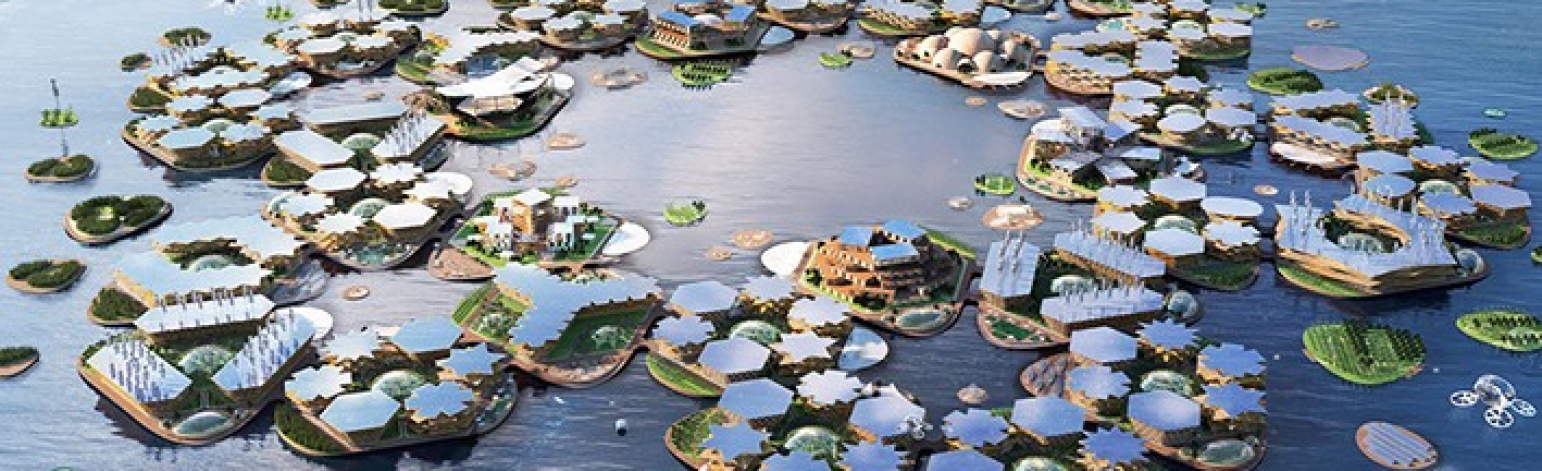
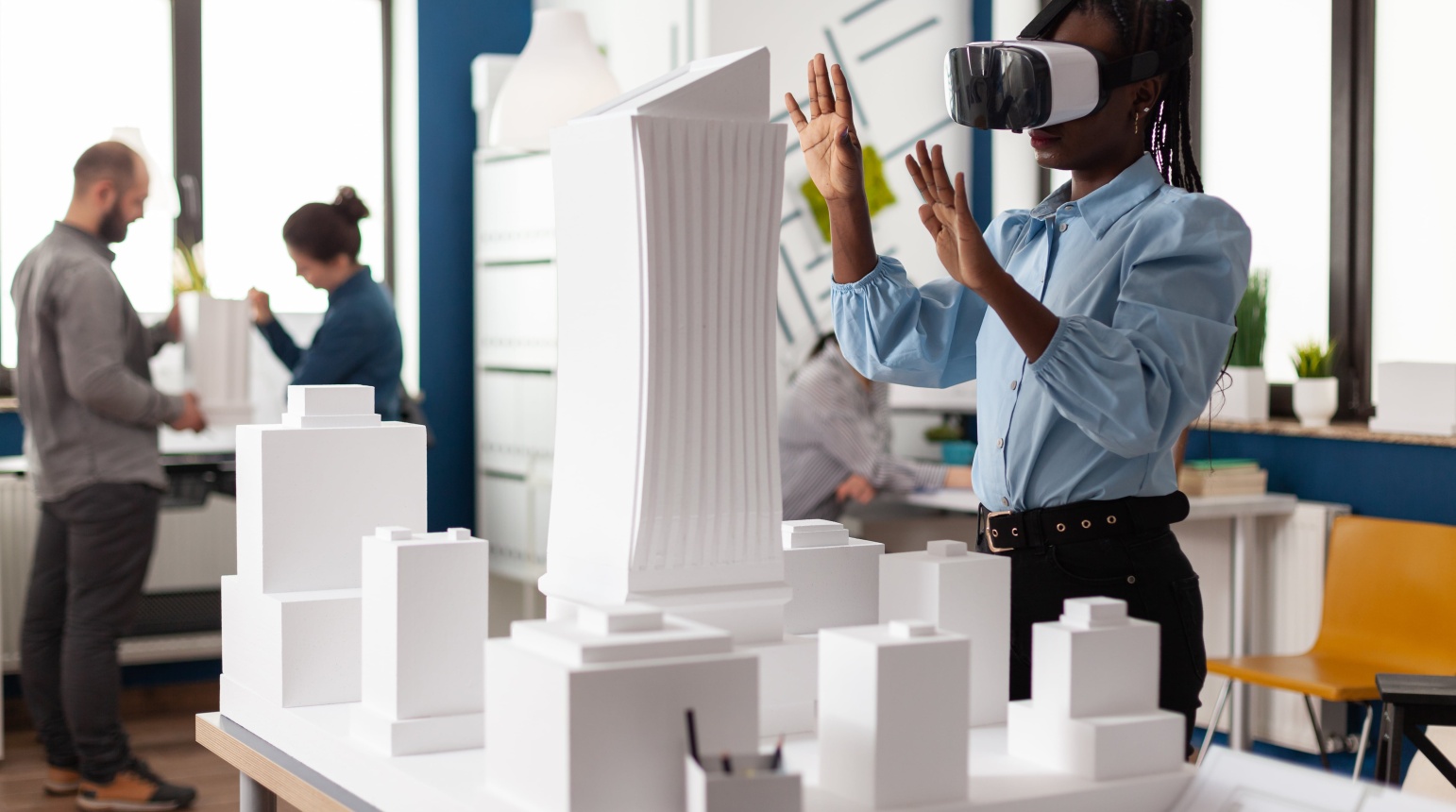
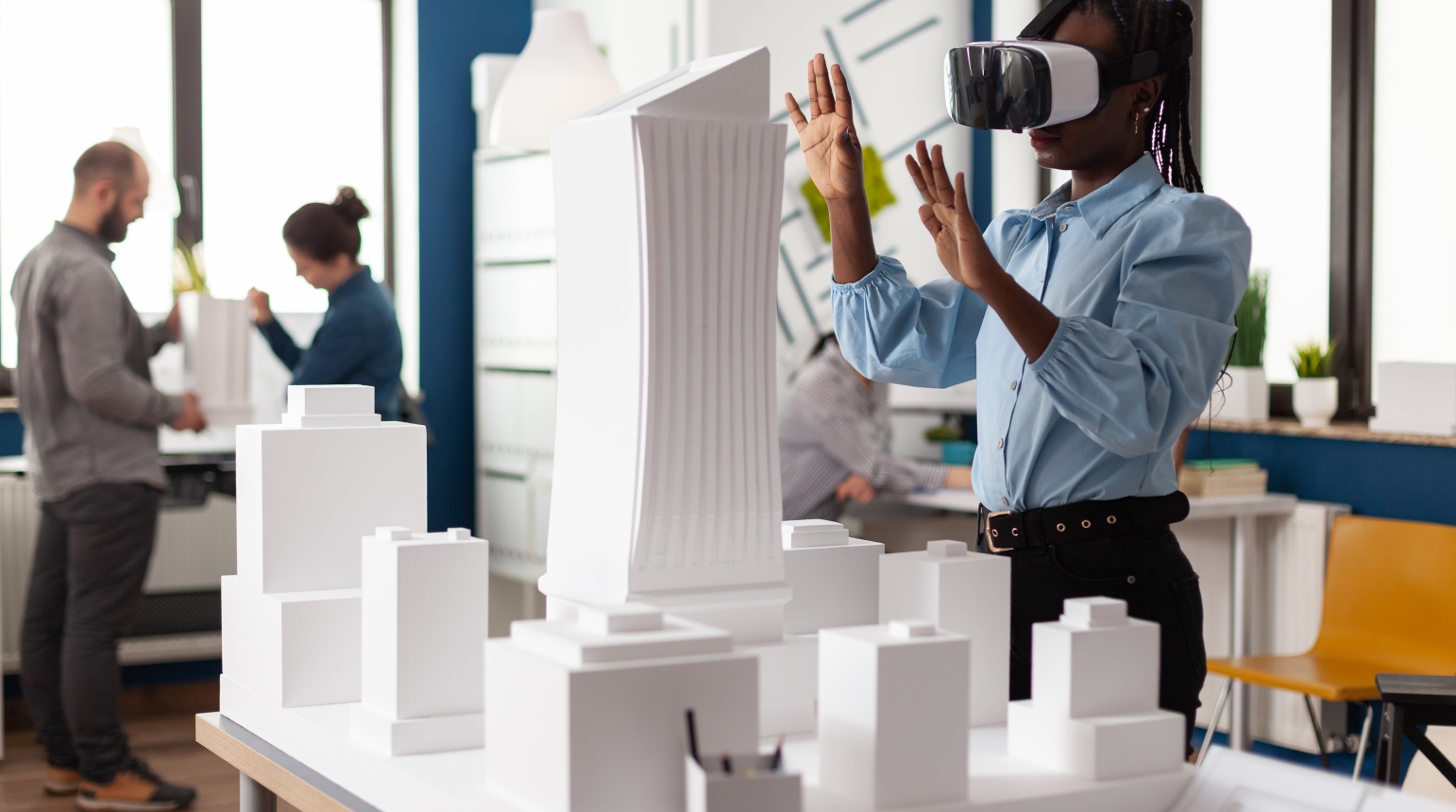
The Metaverse is ushering in a new era for virtual architecture. Designing virtual buildings and environments offers architects limitless creative possibilities beyond what is feasible in the physical world. This provides freedom for both personal and commercial projects.
Designing Virtual Buildings and Environments
The Metaverse allows architects to create buildings and environments where users can interact, host events, and experience digital spaces. This enables the creation of unique designs that go beyond physical-world limitations.
Pushing the Boundaries of Creativity in Digital Architecture
Virtual worlds remove physical constraints, allowing architects to realize projects that were previously unimaginable. This fosters a surge in creative and innovative designs.
User Experiences and Interactions
Spaces designed in the Metaverse shape user experiences. Architects create areas where users can interact, participate in social events, and engage in unique digital experiences, enabling more user-centered designs.
Education and Prototyping
The Metaverse offers architects opportunities in education and prototyping. Projects can be tested and optimized in virtual environments before real-world implementation, saving time and costs.
Conclusion
AI and machine learning are driving transformative changes in architecture, while the Metaverse and virtual architecture open new opportunities in digital spaces. These technologies enable architects to produce more creative, efficient, and innovative solutions. As these technologies continue to advance, the practice of architecture is set to evolve even further. At Unigen, we closely follow the impact of these technologies on architecture and leverage them in our sustainable and innovative projects.
Discover