Vinyl Flooring (LVT and Heterogeneous/Homogeneous Vinyl)
Vinyl flooring is one of the most common choices for healthcare facilities, offering ideal solutions in terms of both durability and hygiene.
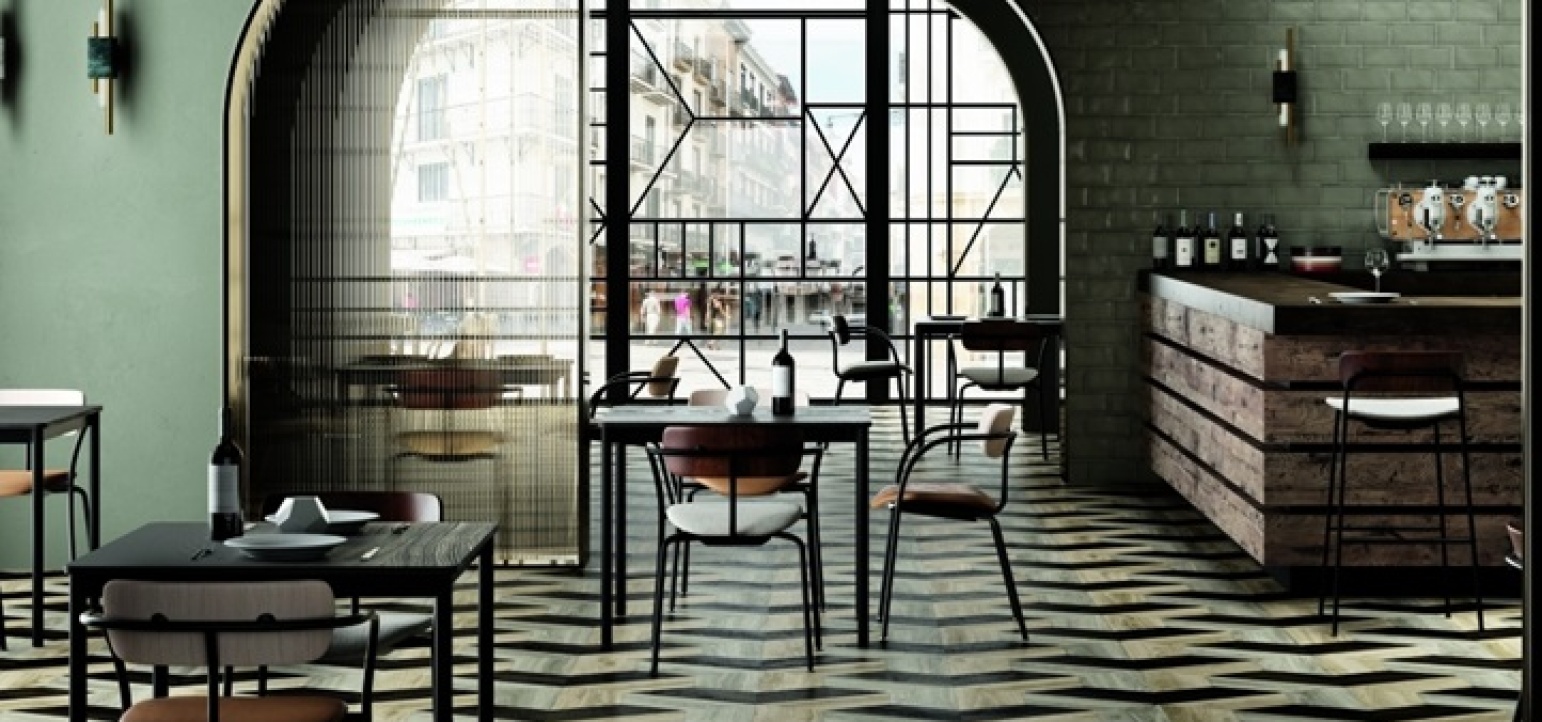
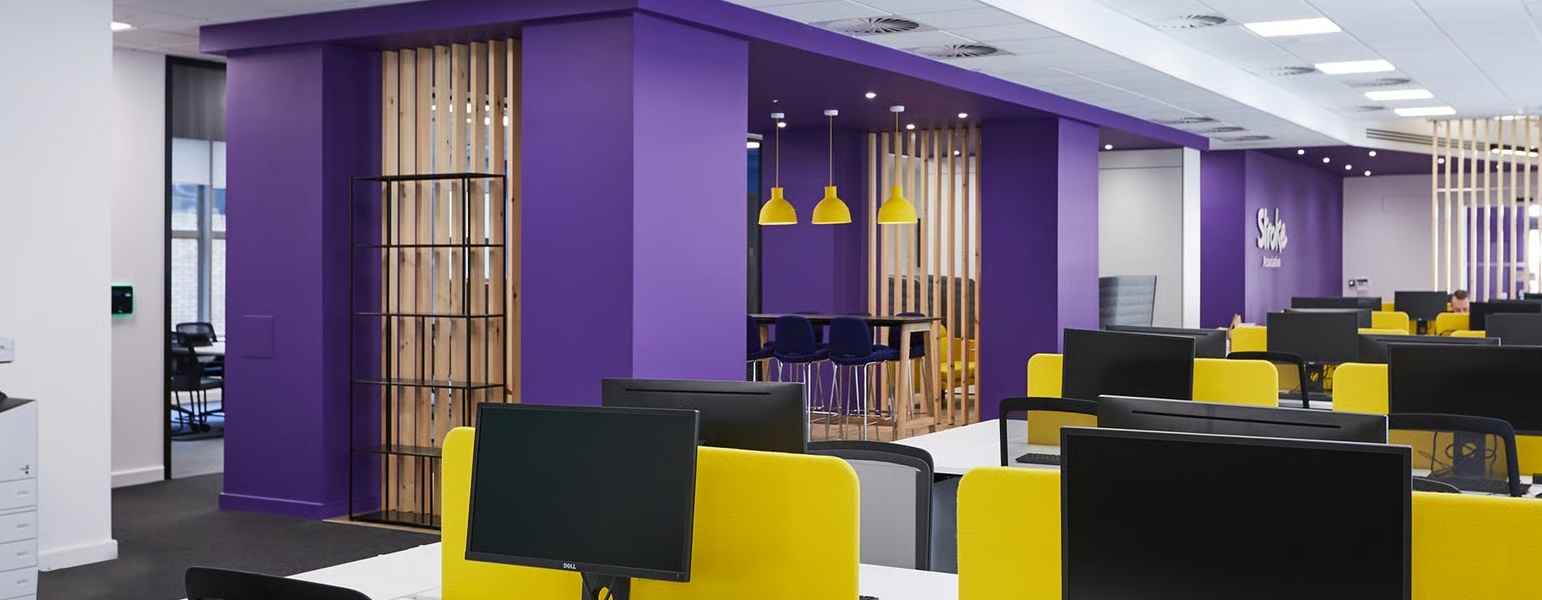
LVT (Luxury Vinyl Tiles): LVT is a type of vinyl flooring that provides aesthetically appealing alternatives with stone, wood, or ceramic appearances. It is often chosen for high-traffic areas such as hospital lobbies, waiting areas, and patient rooms. Its non-slip surface and resistance to water and stains create a safe and hygienic environment.
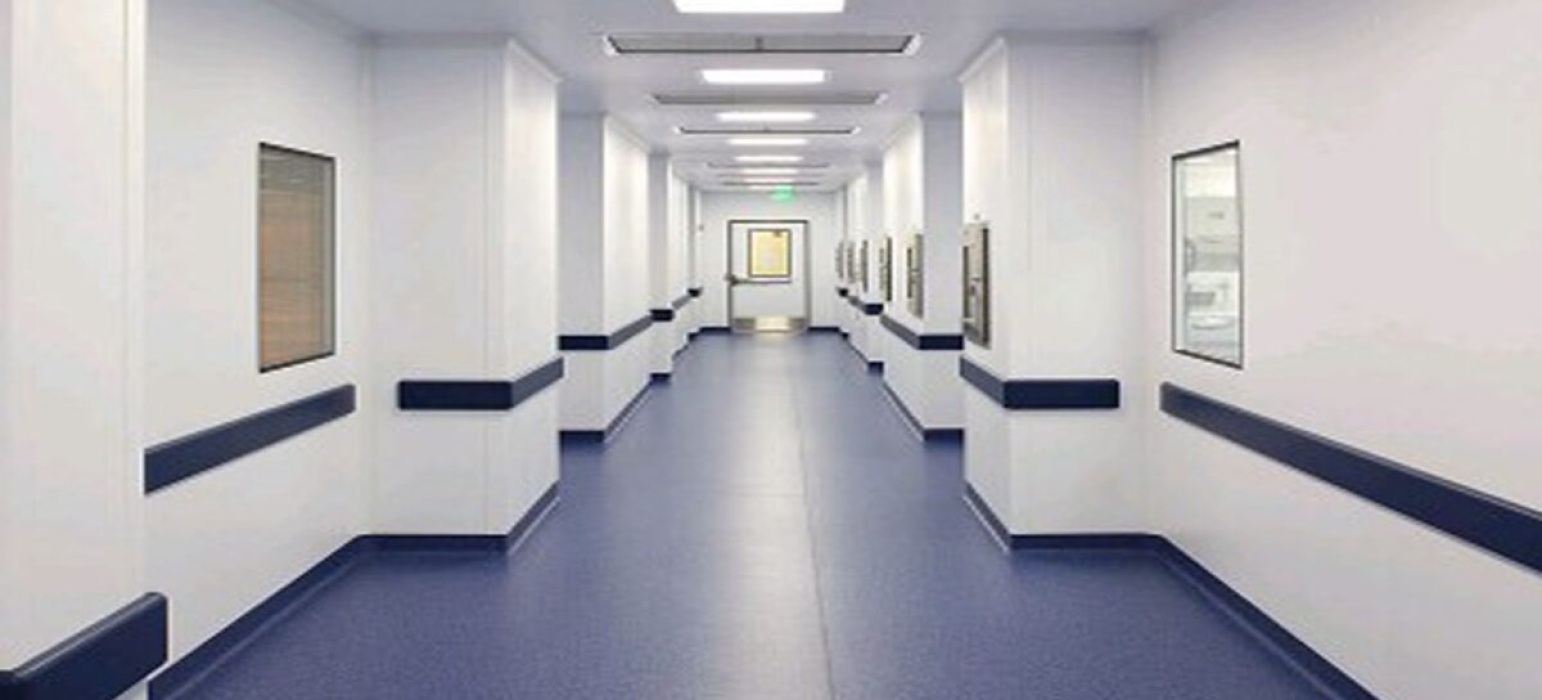
Homogeneous and Heterogeneous Vinyl: Homogeneous vinyl has a single-layer structure with uniform thickness, making it extremely resistant to wear and impact. Heterogeneous vinyl consists of multiple layers, offering more aesthetic options. Both types are used in hospital corridors, operating rooms, and laboratories where high hygiene and durability are required. When combined with antibacterial coatings, they also prevent microorganism growth.
Why Choose Vinyl?
-
Hygienic and antibacterial surfaces
-
Non-slip and waterproof structure
-
Resistance to chemicals and high traffic
-
Easy to clean
2. Rubber Flooring
Rubber flooring is preferred in healthcare facilities due to its non-slip and shock-absorbing properties. Its flexible structure helps minimize falls and injuries, which is a critical advantage for patient safety.
Why Choose Rubber?
-
Non-slip and shock absorption
-
High durability for heavy foot traffic
-
Acoustic performance: provides sound insulation
-
Easy cleaning and antibacterial coating options
Technical Features:
-
Resistant to shocks and impacts
-
Prevents microorganism growth
-
Ideal for high-cleanliness areas that require frequent cleaning
3. Epoxy Flooring
Epoxy is commonly used in healthcare facilities for operating rooms and laboratories that require sterile environments. Its resistance to chemicals and microorganisms makes it particularly advantageous for cleanliness.
Why Choose Epoxy?
-
Smooth, seamless surface prevents bacterial accumulation
-
High resistance to chemicals and stains
-
Waterproof and non-slip
-
Easy to clean and sterilize
Technical Features:
-
Resistant to chemical agents
-
Long-lasting and durable
-
Resistant to wear and impacts
4. Linoleum Flooring
Linoleum is an eco-friendly flooring type made from natural materials. It is often preferred in patient rooms and corridors and has antimicrobial properties.
Why Choose Linoleum?
-
Natural and sustainable material
-
Antimicrobial properties
-
Long-lasting and durable
-
Easy maintenance and cleaning
Technical Features:
-
Environmentally friendly due to natural materials
-
Antibacterial surface prevents microorganism growth
-
Resistant to wear and chemicals
5. Porcelain and Ceramic Tiles
Porcelain and ceramic tiles are preferred in healthcare areas with high moisture, such as bathrooms, laboratories, and sterilization rooms. Their water-repellent and smooth surfaces meet hygiene standards.
Why Choose Porcelain and Ceramic?
-
High resistance to water and stains
-
Resistant to chemicals
-
Easy to clean and sterilize
-
Durable and long-lasting
Technical Features:
-
Ideal for wet and damp areas
-
Extremely resistant to wear and impacts
-
Smooth surface ensures easy hygiene maintenance
Selecting flooring in healthcare facilities should consider functionality, hygiene, and durability. LVT, homogeneous vinyl, rubber, epoxy, linoleum, and ceramic coverings provide suitable solutions for different areas of healthcare facilities. Each of these flooring types stands out with features such as resistance to microorganisms, easy cleaning, non-slip surfaces, and long lifespan. Choosing the right flooring is key to creating a safe and hygienic environment for both patients and healthcare workers.