How to Choose an Office Carpet? A Guide to Selecting the Right Office Carpet for Your Space
Office environments are the heart of today’s modern business world. In these dynamic spaces, the carpet used is not merely a decorative element; it becomes a critical factor that directly affects the overall comfort, health, acoustics, and aesthetic value of the workspace.
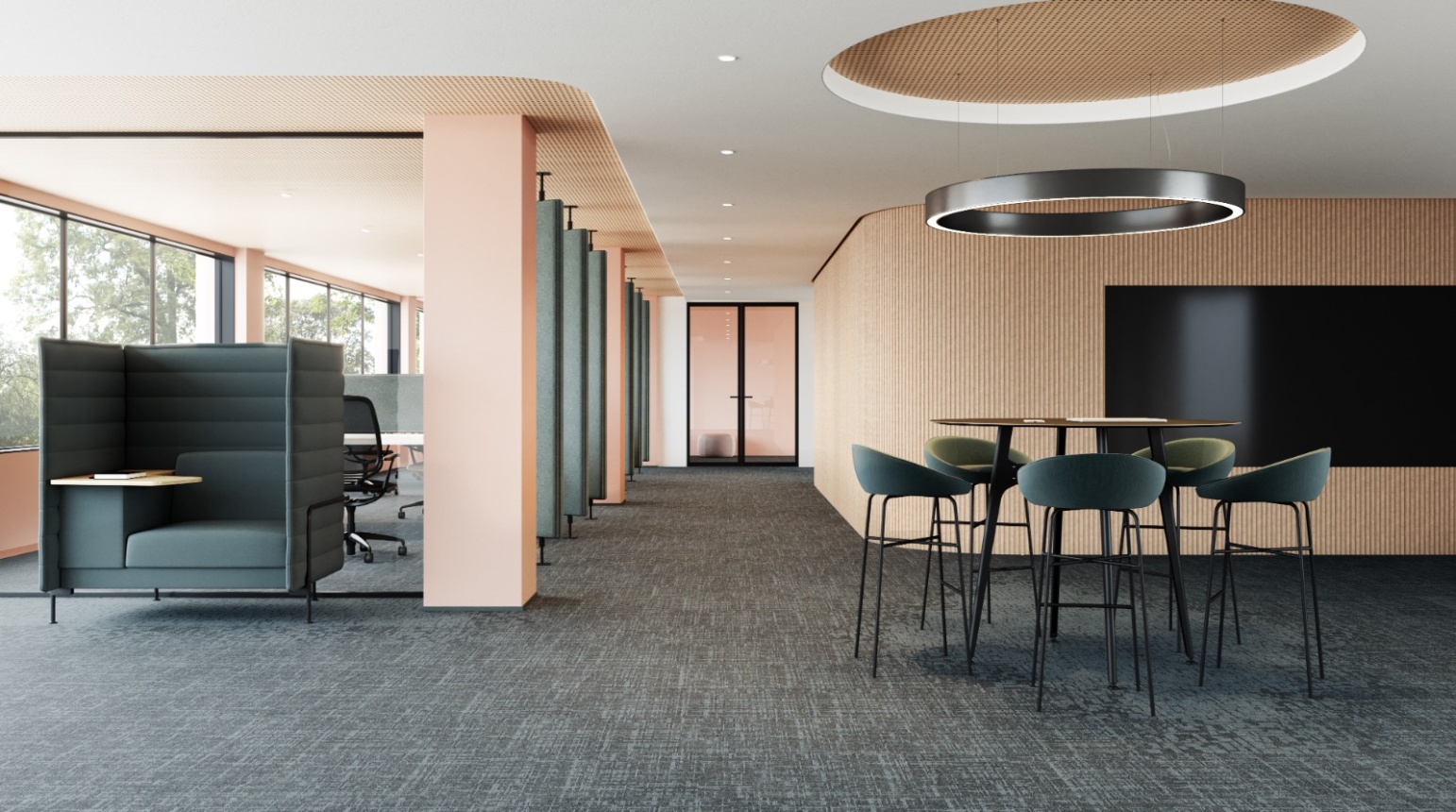
Office spaces are the beating heart of today’s modern business world. In these dynamic environments, a carpet is not merely a decorative element; it becomes a critical factor that directly impacts the overall comfort, health, acoustics, and aesthetic value of the workspace. Choosing the right office carpet can boost employee motivation and productivity while enhancing the overall atmosphere of the workplace. So, what should you pay attention to when selecting the most suitable carpet for your office? In this guide, you will find all the criteria and up-to-date tips you need for making the right choice.
Key Criteria to Consider When Choosing an Office Carpet
Before starting to select an office carpet, it is important to clearly define your space’s requirements. These criteria directly affect both the carpet’s longevity and the functionality of your office.
-
Foot Traffic: The amount of foot traffic in the office is a determining factor for carpet durability. Durable office carpet models should be preferred for areas with constant movement, many employees, or frequent visitors. These carpets feature reinforced structures specially designed to resist continuous wear and tear. Carpets made from high-density yarns and certified for abrasion resistance provide long-lasting use and maintain their aesthetic appearance for a long time.
-
Health and Hygiene: In enclosed office environments, employee health and hygiene are paramount. Antibacterial office carpets are ideal to maintain air quality and prevent the spread of allergens. These carpets undergo special treatments to inhibit bacterial and microorganism growth. They also offer easy stain removal and practical maintenance, helping to ensure continuous hygiene. Easy cleaning is an advantage for maintaining high hygiene standards and reducing cleaning costs.
-
Safety: A carpet with a non-slip backing reduces the risk of falls, especially in areas with wheeled chairs or movable office furniture. Fire-resistant certified carpets ensure compliance with occupational health and safety standards and minimize potential risks.
-
Acoustic Performance: Sound insulation is crucial for concentration and overall comfort. Carpets absorb footstep noise, furniture movements, and general ambient sounds, creating a quieter and more efficient working environment. In open offices, carpets with high acoustic performance are essential for improving productivity.
-
Energy Efficiency: Carpets create a thermal barrier on the floor, contributing to energy efficiency, which is particularly beneficial in cold climates or buildings with high heating costs.
-
Ease of Installation and Maintenance: Consider the installation process and future maintenance needs. Modular carpet systems offer significant convenience in this regard.
By considering these fundamental criteria, you can select the most functional and aesthetically suitable carpet for your office.
Types of Office Carpets: Solutions Tailored to Your Space
There are various carpet types developed for offices, each with unique advantages and suitable application areas.
-
Carpet Tiles (Modular Carpet): One of the most frequently chosen types for modern offices is carpet tiles. Typically produced in standard sizes such as 50x50 cm, these modular carpets can easily adapt to spaces of different dimensions and shapes. One of their biggest advantages is that if a section gets damaged or stained, only that module needs replacement, saving time and cost. Carpet tiles come in a wide range of colors and patterns, enabling modern and creative office designs. They also integrate well with raised flooring systems, facilitating cable management.
-
Carpet Rolls: Suitable for large office spaces or for creating a seamless floor appearance, carpet rolls provide continuous aesthetic unity with a single installation. However, in case of damage, the entire carpet may need replacement.
-
Woven Vinyl Carpets: Synthetic and easy-to-clean alternatives like woven vinyl carpets have gained popularity in recent years. They are ideal for offices seeking durability and a modern touch.
-
Size Considerations: When choosing carpets, especially modular options, different sizes (e.g., 25x100 cm planks or 60x60 cm tiles) allow special arrangements according to space dimensions and design goals. This provides flexibility and minimizes waste.
Recommended Carpet Materials for Offices
The type of material used in office carpets greatly affects durability, cleanability, comfort, and cost. The most common and preferred materials include:
-
Nylon (Polyamide): One of the most popular yarn types for office carpets. Highly resistant to wear, crushing, stains, and mold. Easy to clean, elastic, retains shape for a long time, and resistant to fading. Ideal for high-traffic offices. Brands like Modulyss and Mohawk emphasize both durability and eco-friendly production. For example, Modulyss uses special polyamide yarns such as Econyl®, made from recycled fishing nets and other waste materials.
-
Polypropylene (Olefin): A more economical, stain-resistant option. Resistant to water and chemicals but may not be as durable as nylon in high-traffic areas. Suitable for less-intensive spaces or budget-friendly solutions.
-
Wool: Natural fiber offering superior softness, natural shine, and rich texture. Provides advantages in thermal and acoustic insulation. Hypoallergenic and moisture-regulating but more costly and requires more maintenance than synthetics.
-
PET (Polyester): Yarn made from recycled plastic bottles, environmentally friendly. Resistant to stains and fading but may not be as resilient as nylon.
-
Blended Yarns: Some office carpets combine different yarns (e.g., nylon and polypropylene) to optimize performance and cost balance.
When selecting materials, ensure the carpet backing is high quality, providing non-slip properties as well as superior thermal and acoustic insulation, especially for modular carpet tiles.
Carpet Patterns and Colors
Carpet patterns and colors significantly influence the office atmosphere, employee mood, and corporate identity. Your choice can dramatically change the perception of the space.
-
Color Selection:
-
Light Tones: Beige, light gray, and similar colors make the office appear brighter, spacious, and airy. They create a calm and peaceful ambiance but may show dirt and stains more easily.
-
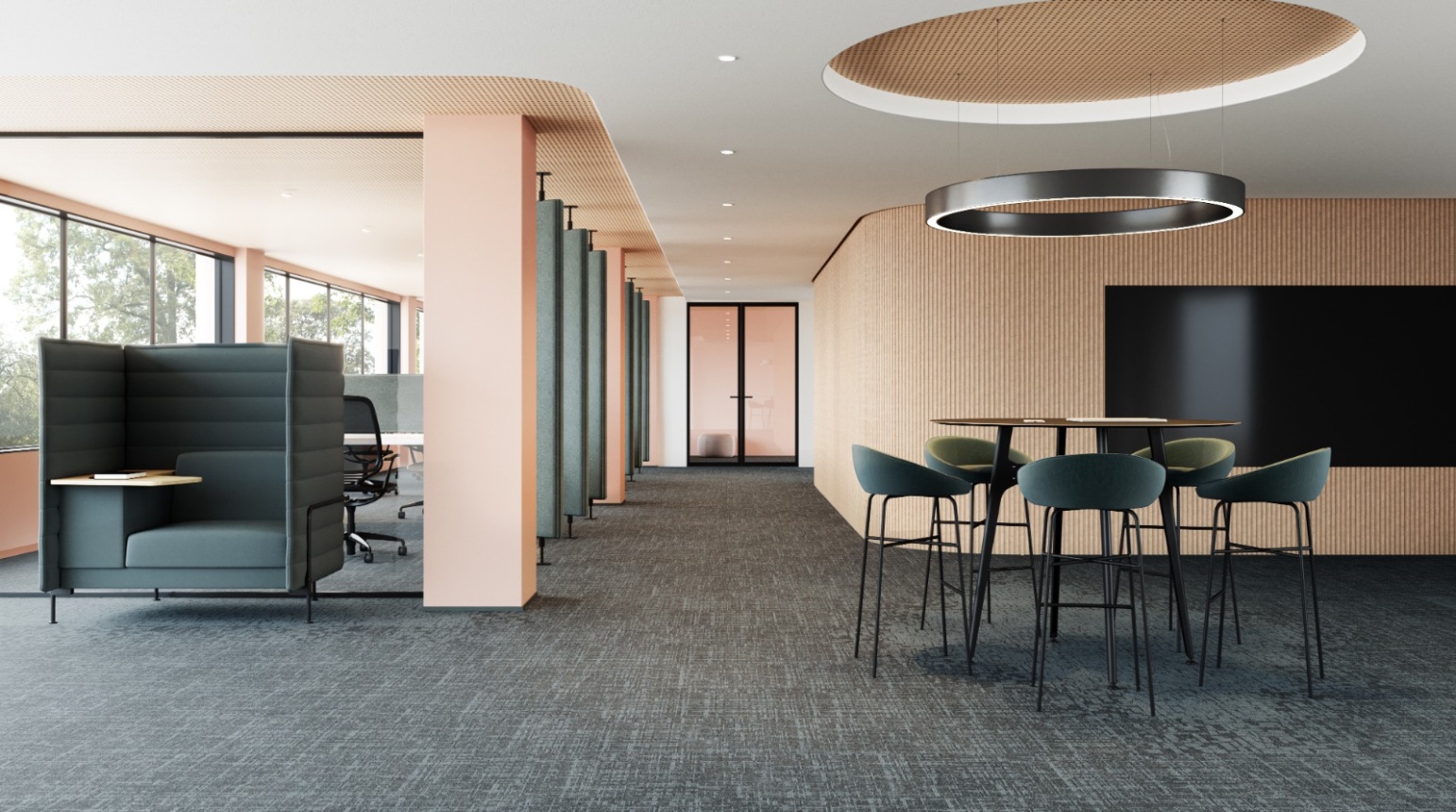
Dark Tones: Charcoal, anthracite, and similar colors are commonly used due to their balanced effect, professional impression, and ability to hide stains in high-traffic areas. They create a warm and cozy atmosphere in large spaces and can be combined with vibrant accents.
-
Vibrant Colors: Blue, green, or mixed bright tones provide a balancing effect. Useful for highlighting zones or guiding movement. Many colors can be combined based on the overall design or used as borders.
-
Corporate Colors: Using your company’s corporate colors in carpets reinforces brand recognition and gives the office a unique character.
-
-
Pattern Selection:
-
Plain and Simple Patterns: Ideal for minimalist designs, offering a clean and modern look without disrupting the overall aesthetics. Often preferred in small or calm areas.
-
Patterned Carpets: Reduce visibility of stains in high-traffic areas. Geometric, striped, or lightly textured patterns add aesthetic depth and functionality.
-
Zoning Patterns: Combining colors and patterns can visually divide office areas, such as meeting rooms, waiting areas, open offices, or private workspaces, enhancing both functionality and style.
-
Natural Patterns: Carpets mimicking wood, stone, or concrete add a natural touch.
-
Ensure the carpet harmonizes with furniture, wall colors, and architectural features for a cohesive aesthetic.
Office Carpet Cleaning and Maintenance
Cleaning and maintenance ease should be a priority alongside aesthetics and durability. Regular and proper care prolongs carpet life and maintains hygiene standards.
-
Daily Cleaning: Vacuum daily with a commercial vacuum to prevent dust and surface dirt accumulation. This prevents deeper dirt from embedding in the fibers.
-
Periodic Cleaning: Weekly or monthly professional cleaning ensures deep cleanliness. A dry-foam system is recommended every six months. This maintains color vibrancy and fiber shape.
-
Stain Treatment: Immediate intervention is crucial. Damaged modules can be replaced easily, especially with modular carpets, avoiding full replacement. Use manufacturer-recommended cleaners that do not damage carpet fibers.
-
Antibacterial and Hypoallergenic Care: Antibacterial office carpets reduce bacterial and microbial growth. Maintain these properties with regular care, proper ventilation, and avoidance of harsh chemicals.
With durable office carpets recommended by Unigen, you achieve long-lasting aesthetic and functional use. The right carpet choice and regular maintenance allow you to create a healthy, comfortable, and productive workspace.
Discover