Sustainable and Carbon Neutral Design: Towards the Architecture of the Future
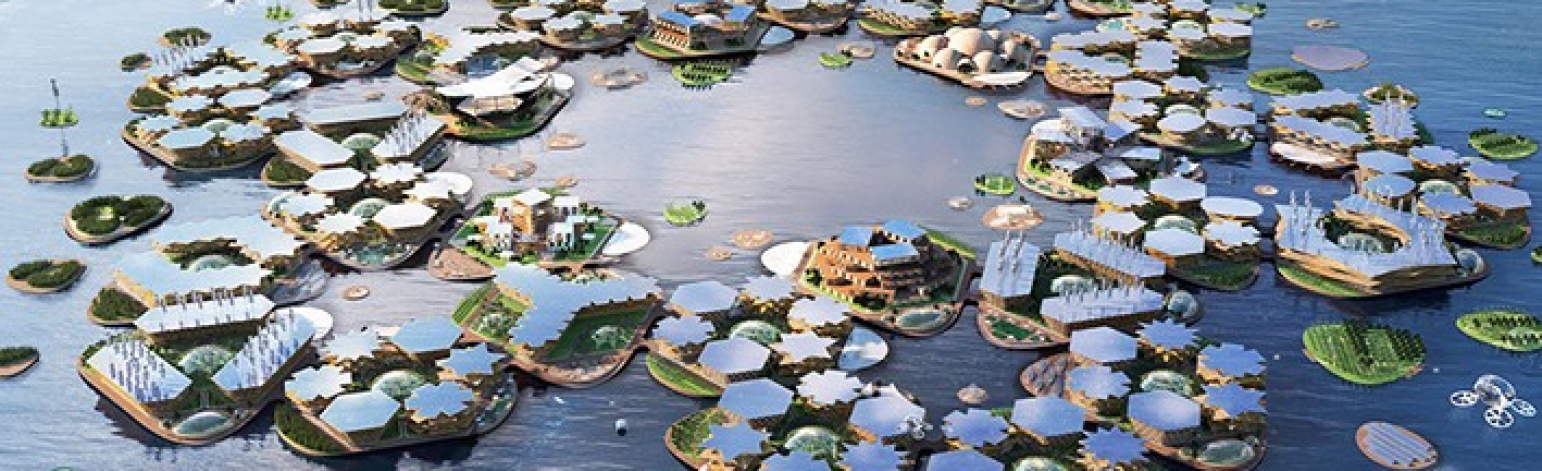
In today's architectural world, sustainable architecture and energy efficiency stand out as the cornerstones of future design understanding. Especially triple net-zero design, that is, approaches aiming for energy, water, and carbon neutrality, are opening the doors to a new era in architecture.
Sustainable and Carbon Neutral Design: Towards the Architecture of the Future
In today's architectural world, sustainable architecture and energy efficiency stand out as the cornerstones of future design understanding. Especially triple net-zero design, that is, approaches aiming for energy, water, and carbon neutrality, are opening the doors to a new era in architecture. This approach not only minimizes the environmental impacts of buildings but also offers long-term economic advantages.
What is Sustainable Architecture?
Sustainable architecture is an approach that aims to minimize environmental impacts in the design and construction processes of buildings. This approach includes environmentally friendly practices across a wide range, from material selection to energy use, and from water management to waste management. In sustainable architecture, the conservation of natural resources and the use of renewable energy sources are of great importance.
The Importance of Triple Net-Zero Design
Triple net-zero design takes sustainable architecture a step further by aiming to achieve energy, water, and carbon neutrality in buildings. The key elements of this concept are as follows:
-
Energy Neutrality: Meeting buildings' energy consumption with renewable energy sources. Technologies such as solar panels and wind turbines are used for this purpose.
-
Water Neutrality: Minimizing water consumption and using alternative water sources such as rainwater.
-
Carbon Neutrality: Reducing buildings' carbon footprint to zero. This can be achieved through high-efficiency energy systems and carbon offset projects.
Sustainable Design Practices
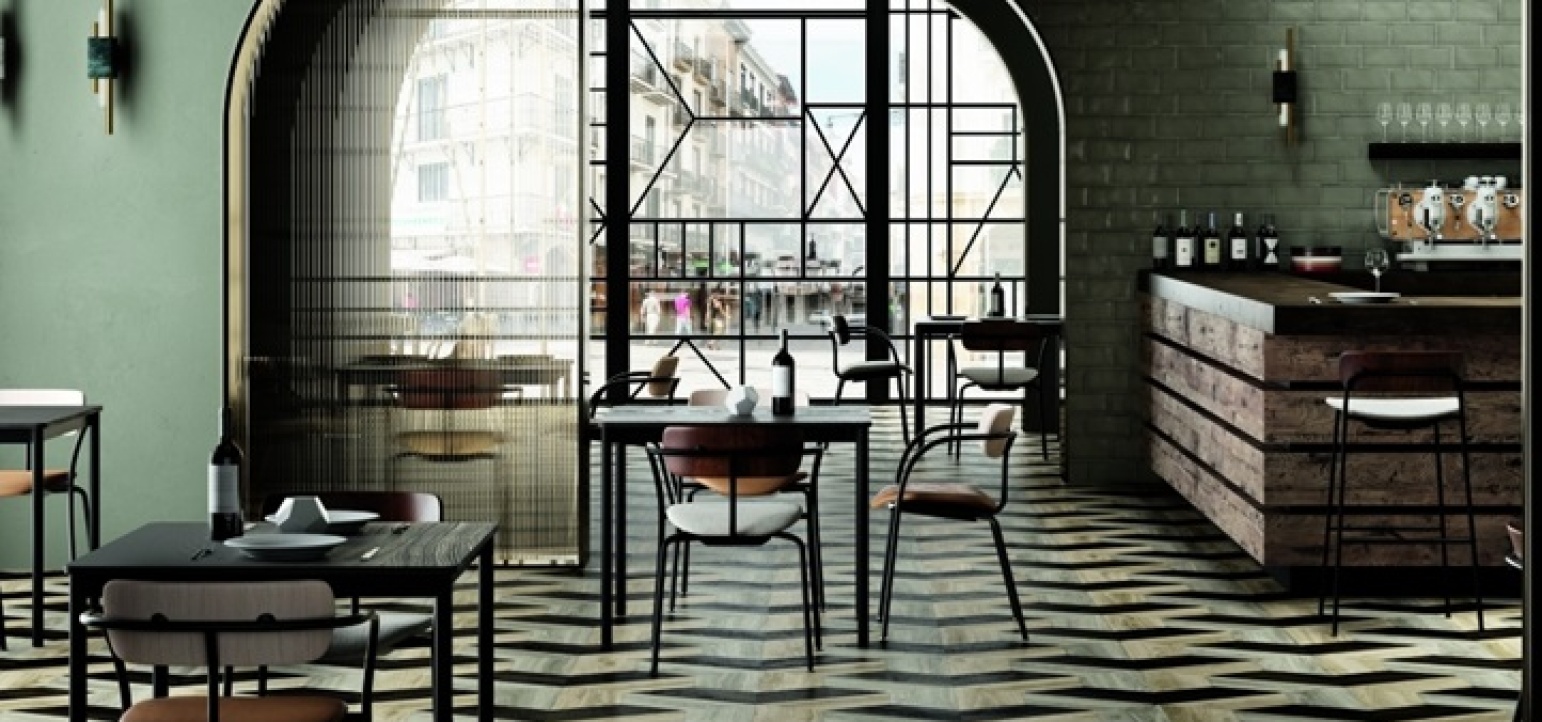
Sustainable design includes many innovative applications and technologies. For example, companies like Thermory offer sustainable wood solutions, making buildings both aesthetic and environmentally friendly. Firms like HDR lead in designing energy-efficient buildings.
-
Reduction of Waste and Pollution: Using recyclable materials and waste management systems to minimize the environmental impact of buildings.
-
Renewable Energy Sources: Meeting buildings’ energy needs without harming the environment by using renewable energy sources such as solar and wind energy.
-
Water Management: Reducing water consumption through rainwater harvesting systems and water-saving fixtures.
Sustainability in the Architecture of the Future
Sustainable and carbon-neutral design will play an indispensable role in the architecture of the future. These approaches will not only reduce environmental impacts but also extend the economic lifespan of buildings, providing long-term cost savings. Green building certifications, energy efficiency standards, and the use of sustainable materials will be fundamental features sought in the buildings of the future.
In conclusion, sustainable and carbon-neutral design signals a major transformation in future architecture both environmentally and economically. Buildings that adopt this approach will respect nature while offering comfortable and healthy living spaces for their users.
Discover