The First Step for Flooring: Conducting the Right Floor Survey
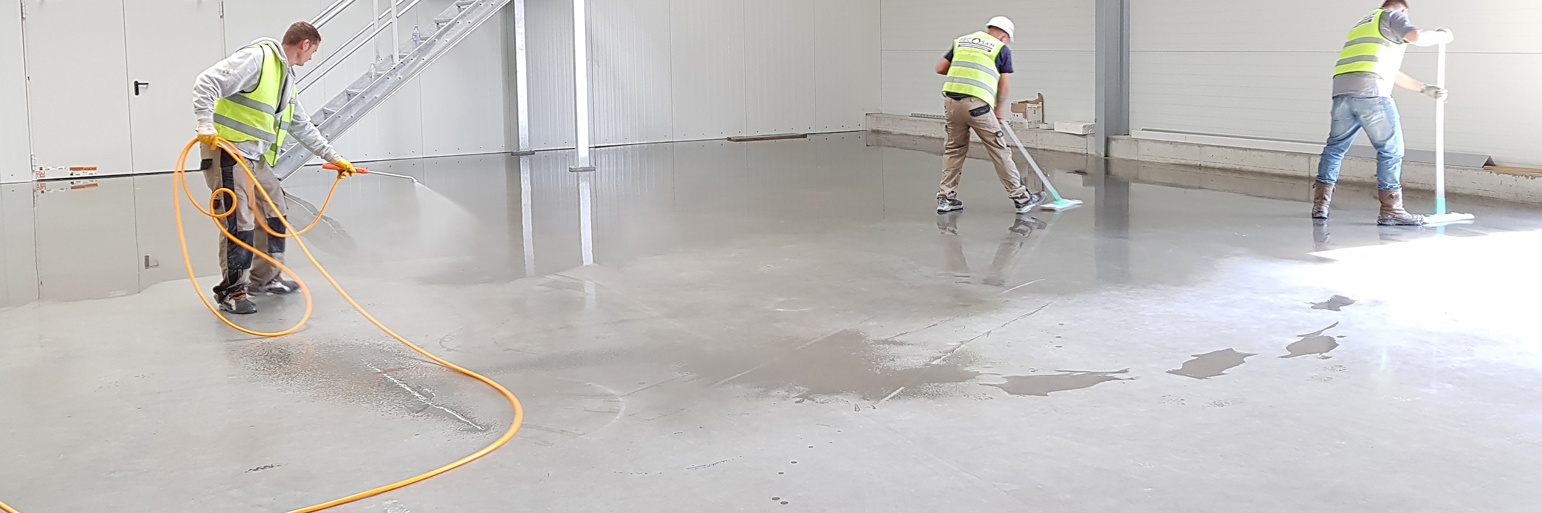
A floor survey determines whether the flooring material is suitable for its intended purpose, the desired design, or the users of the space.
The First Step for Flooring: Conducting the Right Floor Survey
Finding the most suitable flooring product is far more complex than it appears. Factors such as moisture, durability, aesthetics, costs, and much more greatly influence the selection decision. To make all decisions correctly, the first step is a proper floor survey.
A floor survey determines whether the flooring material is suitable for its intended purpose, the desired design, or the users of the space. Additionally, different functions within a building require different flooring types, which must be identified. Floors and flooring choices designed for a parking lot or storage area will be very different from those in an office. For example, in areas planned to endure challenging conditions, a survey must first be conducted to check the subfloor conditions before selecting the flooring.
Subfloor Preparation
Once the flooring material suitable for the space’s function is selected, a floor survey should be conducted to ensure the subfloor is compatible with the chosen material and tile layout plan. The quality of the subfloor screed should be checked first, and a level survey performed. Attention should be paid to the subfloor’s smoothness and dusting capacity, according to the characteristics of the chosen material. For instance, if a flexible flooring material will be used, the subfloor must be as smooth as a tabletop, as this greatly affects the quality of the installation and the material’s lifespan.
When assessing the quality of the subfloor screed, the relationship between the subfloor and the material to be used is also an important criterion. For example, if natural wood is to be installed using an adhesive method, the screed must be strong enough to withstand the movement of the wood as it expands or contracts.
Level surveys should check the flatness of the floor, considering transitions at door thresholds and different material thicknesses used in the same area.
A proper floor survey, taking the flooring material and usage conditions into account, is a crucial starting point for determining installation quality. Selecting high-quality materials alone is not the only factor determining the flooring’s lifespan. Using the right material with the correct installation is a holistic process.
Requirements
Based on the data obtained from the floor survey, preparatory work should be carried out. Various repair mortars, epoxy-based strengthening chemicals, and leveling screeds are available to address different needs. If necessary, these materials can be used to prepare the subfloor for installation.
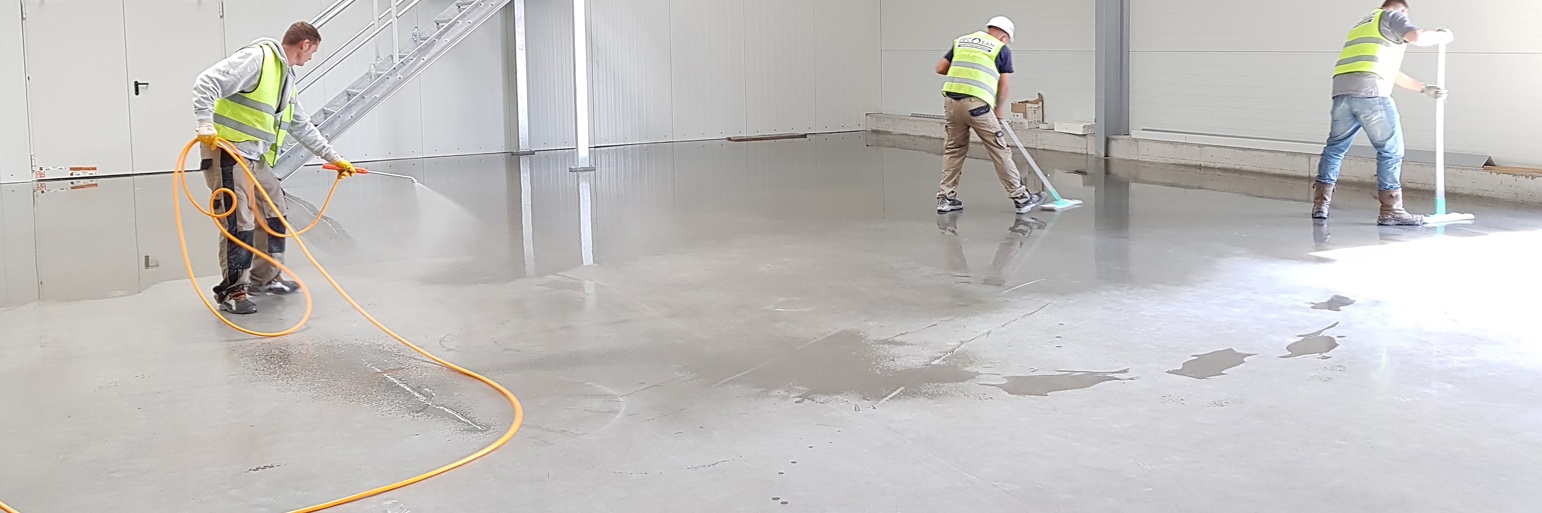
Before installing your flooring, the subfloor must be free of dirt, dust, grease, and paint; dry, clean, and cleared of debris. The subfloor’s moisture level and ambient temperature conditions must also be suitable for installation.
Choosing the right flooring begins with the proper floor survey. This initial step is critical to avoid separated, squeaky, uncomfortable, or uneven floors. Properly prepared subfloors provide a strong foundation for your new flooring, ensuring its longevity.
Discover