What Are the Best Flooring Materials for Offices?
When choosing the most suitable flooring material for your offices, form and function should be considered together. Ease of maintenance and cost are other important criteria.
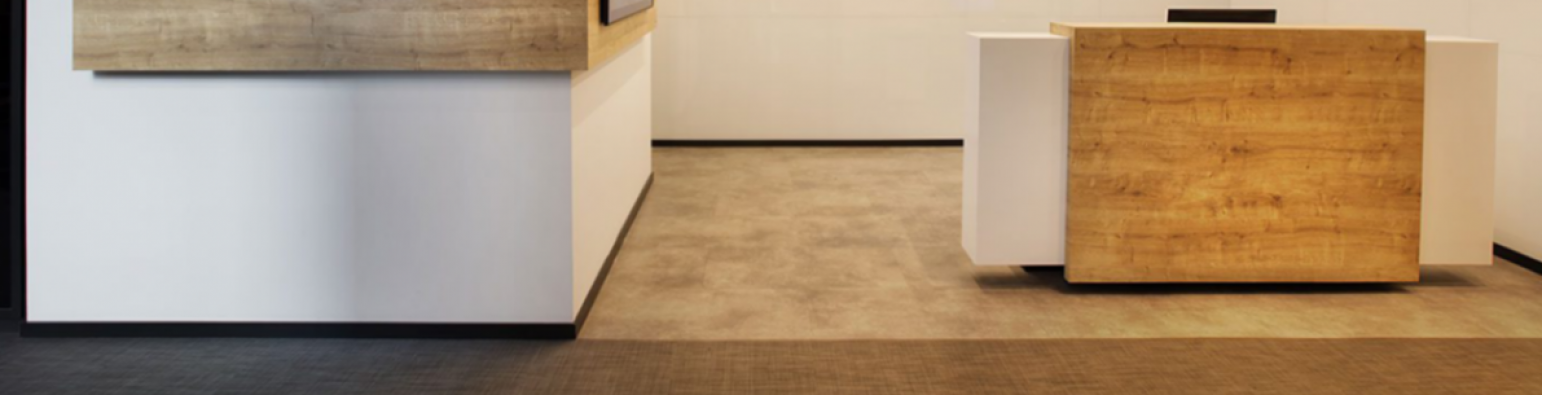
As 2022 draws to a close, you might be considering reshaping your office. There are countless options available for workspaces, which can be overwhelming. However, by accurately identifying your space’s needs and priorities, you can select the most suitable materials. When choosing office flooring, form and function should be considered together. Ease of maintenance and cost are other important criteria.
Flooring Materials for Basic Office Functions
Different areas of an office require different flooring solutions. The material used in the lobby will not be the same as that used in the office kitchen. There is an unlimited range of flooring material options. Here are some examples for you:
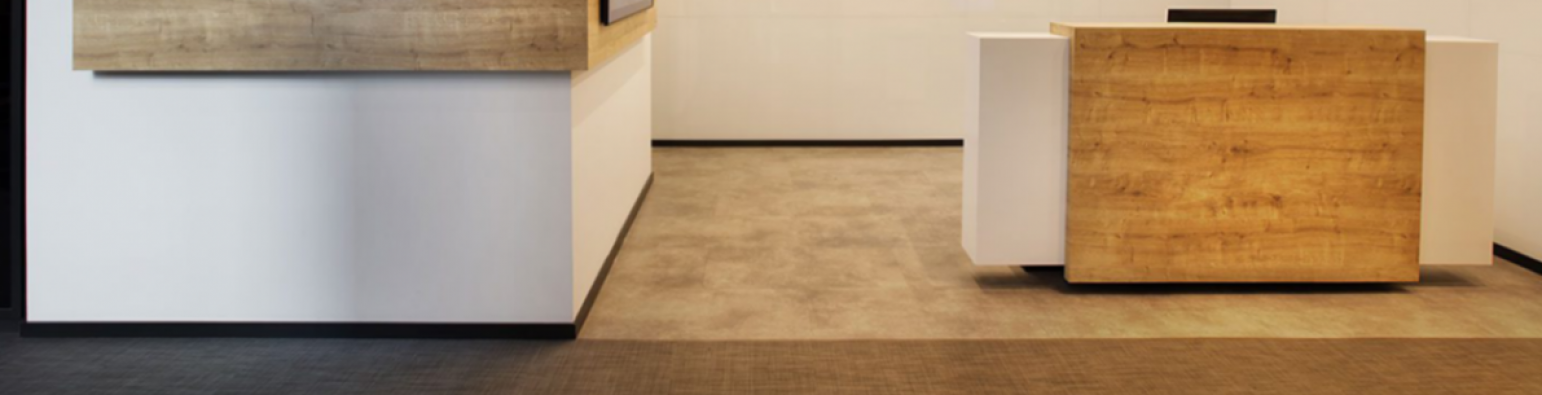
For lobbies and reception areas, durability is the most important factor. These are the areas with the heaviest foot traffic. Since this is the first step into your office, design also matters. It welcomes visitors and is responsible for the first impression. Flooring materials that are both aesthetic and durable include terrazzo, wooden surfaces, vinyl, and LVT.
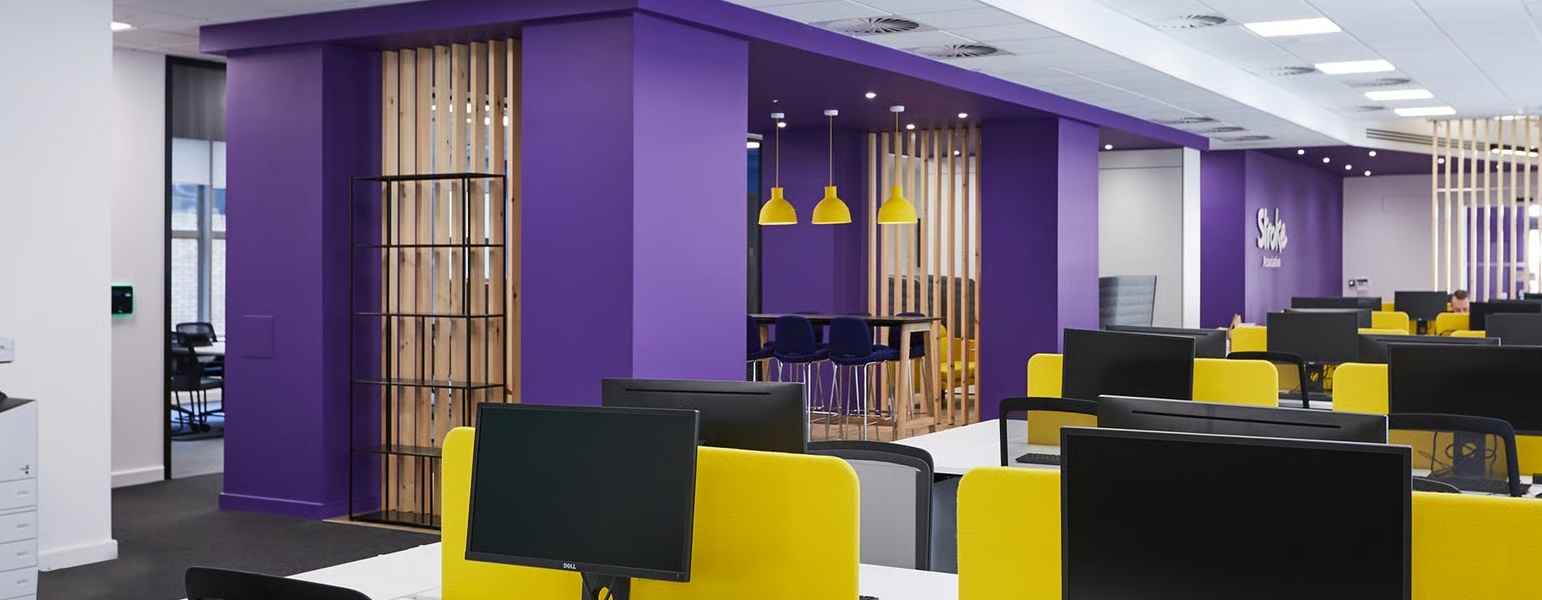
For open office areas and break rooms, materials that absorb noise, are easy to maintain, and can withstand foot traffic are preferred. Carpet and LVT are among the most suitable materials for office work and relaxation areas. Carpet tiles, in addition to their acoustic properties, provide walking comfort and aesthetic value, making them suitable for conference rooms and accommodation areas as well.
For wet areas, slip-resistant and water-resistant materials are preferred. Since spills are common, materials that are easy to clean and maintain are chosen. LVT, linoleum, and ceramic are the best examples of flooring for kitchens and wet areas.
Considerations for Flooring Materials
-
Color and Pattern Selection
Corporate spaces can make employees feel better with flooring that does not compromise on luxury and comfort. Colors and patterns are used to evoke emotions. For example, red carpet tiles encourage practical thinking and give clients an impression of a bold, confident office. Blue can be used in work areas focused on creativity and problem-solving to boost employees’ imagination. -
Making the Space Appear Larger
In small offices in big cities, it is desirable to make spaces appear larger and more comfortable. In addition to functionality, open areas are needed for teamwork and collaboration. Small design adjustments using material, texture, and color choices can easily achieve this.
Glass partitions, which are increasingly used, can create the illusion of a larger space when combined with wide LVT or wooden flooring arrangements. Another visual management technique in open office plans is visual separation. Different colors or textures can be combined to distinguish different functions within the same space. For example, integrating parquet flooring into a stone-look floor design changes the sense of scale and transforms the workspace.
-
Ease of Maintenance
When choosing materials, the product’s lifespan is as important as its cost. Materials may lose durability over time if maintenance is difficult. Contrary to popular belief, commercial carpet tiles are long-lasting and easy to maintain. Their anti-static properties prevent dust from becoming airborne and help preserve indoor air quality. When permanent deformation occurs on carpet tiles, replacement is easy. LVT, within vinyl flooring, offers design flexibility and requires minimal maintenance, needing only regular sweeping and mopping without polishing.
Discover