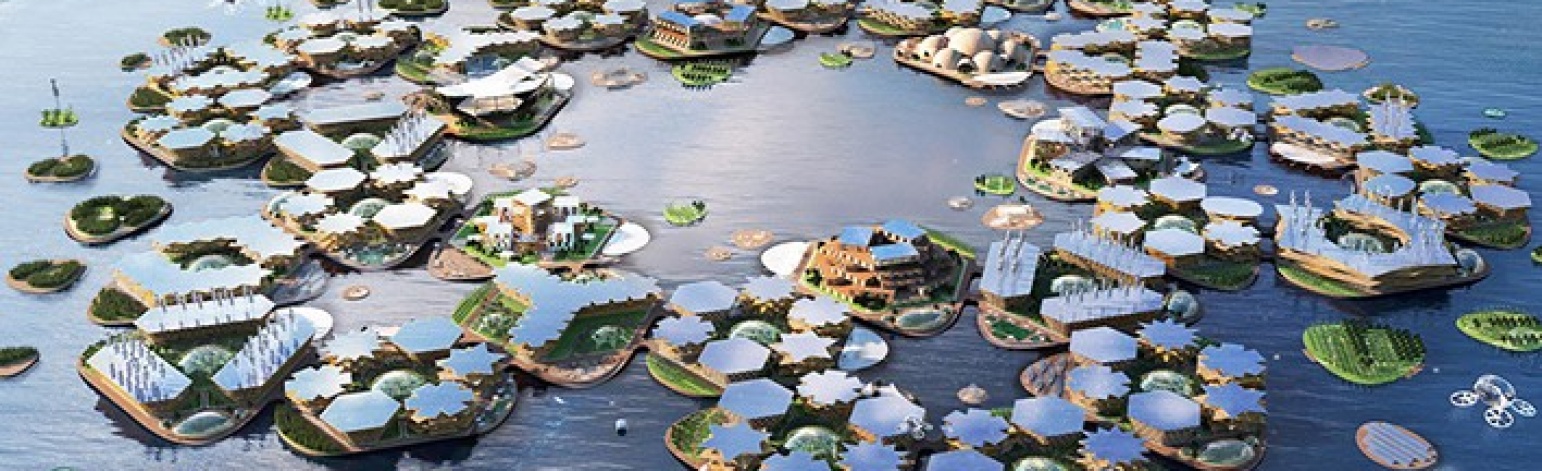
Living Spaces on the Sea and Water: Innovative Approaches in Combating Climate Change
Climate change is causing rising sea levels and extreme fluctuations in weather conditions worldwide. This situation poses serious threats, especially for coastal regions and low-lying areas. In this context, living spaces on water and resilient building designs are among the key elements of future architecture. In this article, we will examine how living spaces on the sea and water are designed, how resilient structures are built to withstand climate change, and the importance of water management and flood protection systems.
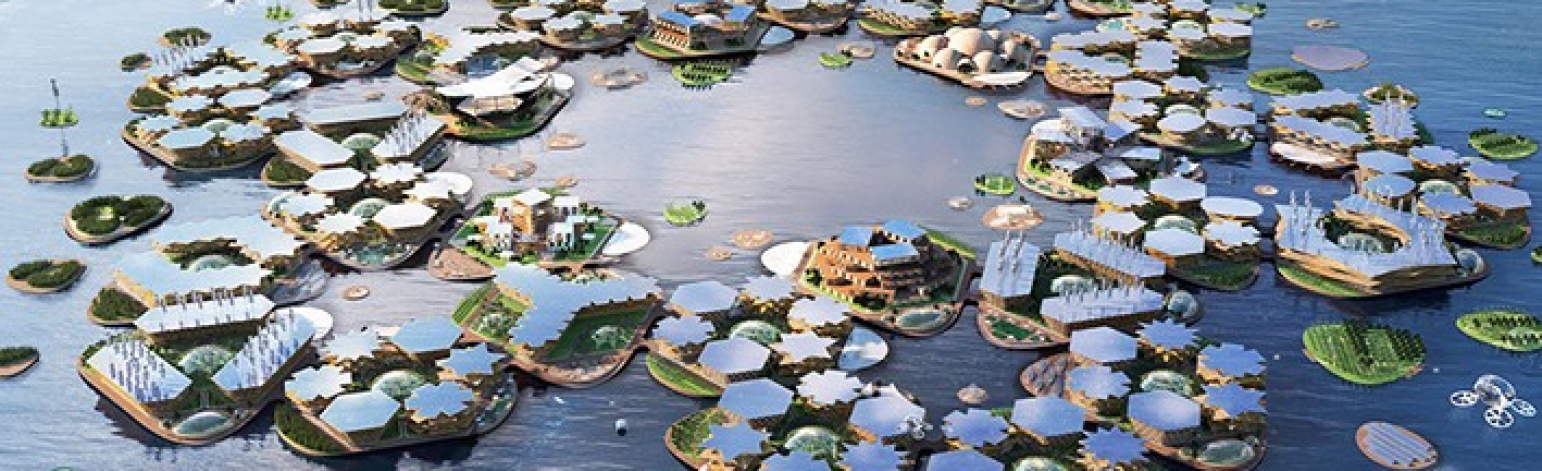
Living Spaces on the Sea and Water:
Innovative Approaches in Combating Climate Change
Climate change is causing rising sea levels and extreme fluctuations in weather conditions worldwide. This situation poses serious threats, especially for coastal regions and low-lying areas. In this context, living spaces on water and resilient building designs are among the key elements of future architecture. In this article, we will examine how living spaces on the sea and water are designed, how resilient structures are built to withstand climate change, and the importance of water management and flood protection systems.
Living Spaces on the Sea and Water
Climate change and rising sea levels are increasing interest in living spaces on water. Living on water can offer numerous advantages both aesthetically and functionally. Here are some innovative approaches in this field:
Floating Structures
Floating houses and office buildings are designed to adapt to changes in sea levels. These structures can remain afloat without sinking or being damaged when water levels rise. For example, the Floating Pavilions in the Netherlands and floating villas designed by French designer Philippe Starck are successful examples in this field.
Floating Farms and Gardens
The concept of farming on water is used particularly to ensure food security and create green spaces in cities. Projects like Floating Farms aim to meet urban food needs by cultivating agriculture on water.
Virtual and Hybrid Water Spaces
Virtual water structures and hybrid designs created on digital platforms like the Metaverse offer the opportunity to experience living spaces on water in virtual worlds. Such projects remove the boundaries between real and virtual worlds, creating new living environments.
Climate Change and Resilient Structures
Structures resilient to climate change should be designed to withstand future challenges. Here are some important design approaches in this context:
Resilient Building Designs
Buildings must be durable against extreme weather conditions and rising sea levels caused by climate change. This includes using materials and structural solutions that can withstand strong winds, floods, and temperature fluctuations. For example, structures in coastal areas built with elevated foundations and waterproof materials reduce flood risks.
Water Management and Flood Protection Systems
Water management ensures effective control and direction of water. This includes solutions such as rainwater collection systems, watertight building designs, and flood barriers. Additionally, protecting and restoring natural waterways can also reduce flood risks.
Energy-Independent Structures
One way to tackle climate change is to design energy-independent buildings. These structures meet their energy needs using solar power, wind energy, and other renewable sources. Such buildings reduce environmental impact while enhancing energy security.
Conclusion
Climate change and rising sea levels are driving significant changes in architecture and construction. Living spaces on the sea and water provide innovative solutions to these challenges, while resilient building designs and effective water management are critical for future constructions. These approaches not only offer resistance to environmental impacts but also open the door to a more sustainable and livable future.
At Unigen, we closely monitor these trends and continue to develop eco-friendly, durable, and innovative solutions. We will keep tracking the latest developments in the industry to best reflect the role of these technologies and design approaches in the architecture of the future.
Discover